Product engineering studio · Clinical AI
We turn sleep data into working software.
GioSync is a product-engineering studio for clinical AI. We build the models, data pipelines, and clinician dashboards that turn messy sleep data into tools clinics actually use.
- Scalable pipelines for massive datasets
- 2M+
- Clinical-grade accuracy, ready for practice
- 94%
- AI-automated repetitive reporting work
- 82%
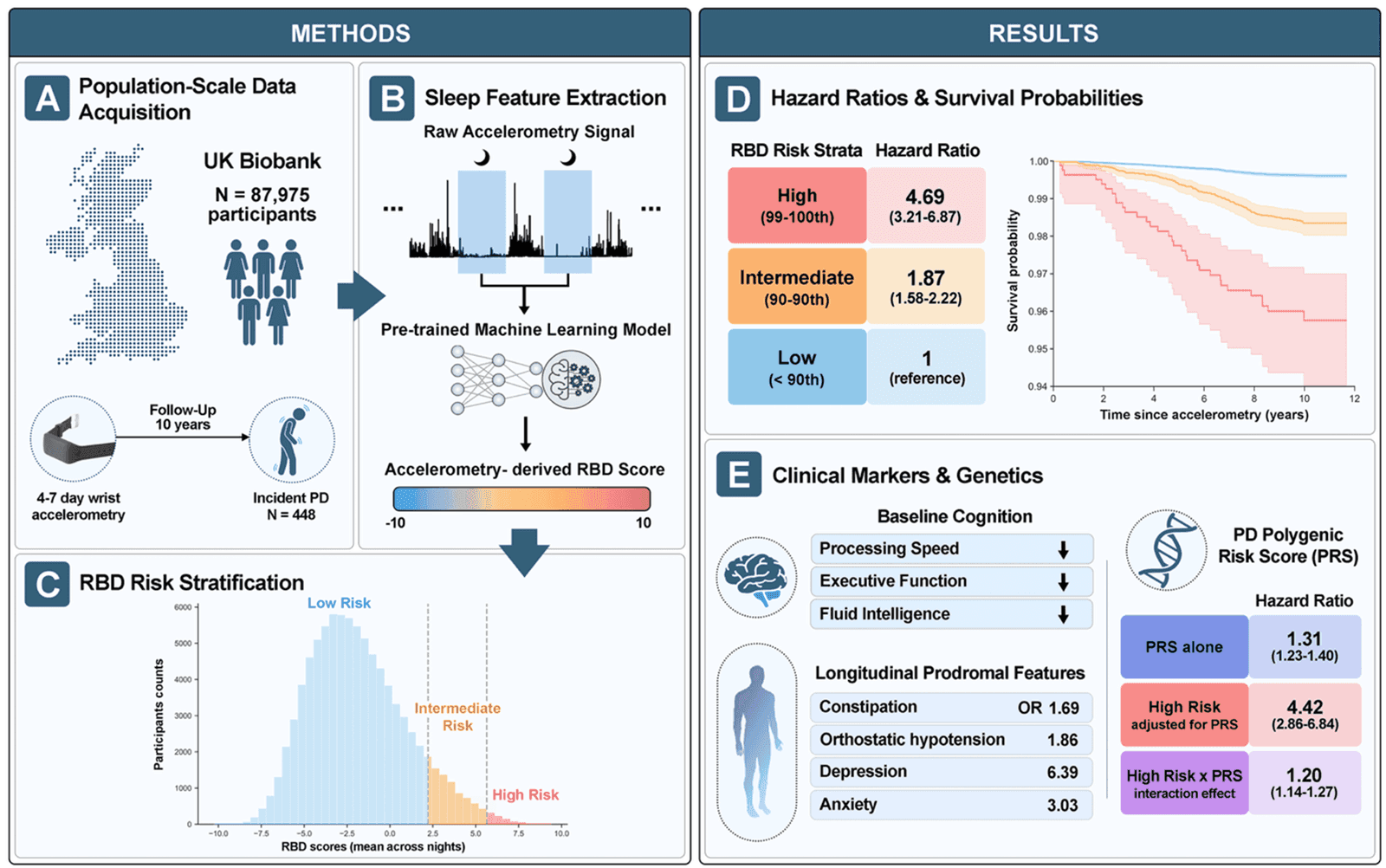
- Predicts Parkinson's risk from actigraphy
- 10 yr
Scalable pipelines for massive datasets
Clinical-grade accuracy, ready for practice
AI-automated repetitive reporting work
Predicts Parkinson's risk from actigraphy
Philosophy
Evidence is your biggest advantage.

Most healthcare AI pitches sound the same: a slick dashboard, an impressive accuracy number, and a promise to save your staff hours by next quarter. Clinic owners have heard it enough times to be skeptical — and they should be.
The data is real. Wearables, EHRs, and scheduling systems throw off more signal about your patients than any practice could review by hand.
But most of that signal never becomes something you can trust. It's tuned on a demo dataset, never checked against your own outcomes, and quietly shelved the first time a clinician catches it wrong. Unvalidated AI doesn't save a clinic time — it adds one more thing to double-check.
Data isn't the bottleneck anymore. Validation is. The tools clinics actually keep using are the ones proven against real outcomes before a single patient sees them.
That's the only way we build. Every model is tested against your population before it touches a patient chart, so your staff can trust it enough to actually use it.
AI in medicine doesn't get a pass on rigor. It earns trust the same way a new hire does: one correct call at a time.
GioSync is for clinics that won't deploy anything they can't stand behind.
What you get
Four levers on your bottom line.
Know your population
Turn the records you already have into clear risk and diagnosis segments, so you always know where to focus next.
- cohorting
- risk scoring
- EHR data
Screen faster, treat more
Swap slow manual workups for fast, validated screening that flags high-risk patients in minutes, not weeks.
- rapid screening
- validated models
- workflow
Put your resources to work
Find exactly where staff time and capacity leak, then prove the fix with a measured before and after, not a hunch.
- utilization
- automation
- reporting
Deploy AI you can trust
Every model is validated on real patient data, monitored after launch, and fully explainable, so you always know why it made a call.
- validation
- monitoring
- no black boxes
Featured work
Proven in the clinic.
Sleep Medicine / Neurodegenerative
Prodromal RBD Risk Stratification
Population-level risk model identifying prodromal neurodegeneration from wrist actigraphy
Read case study →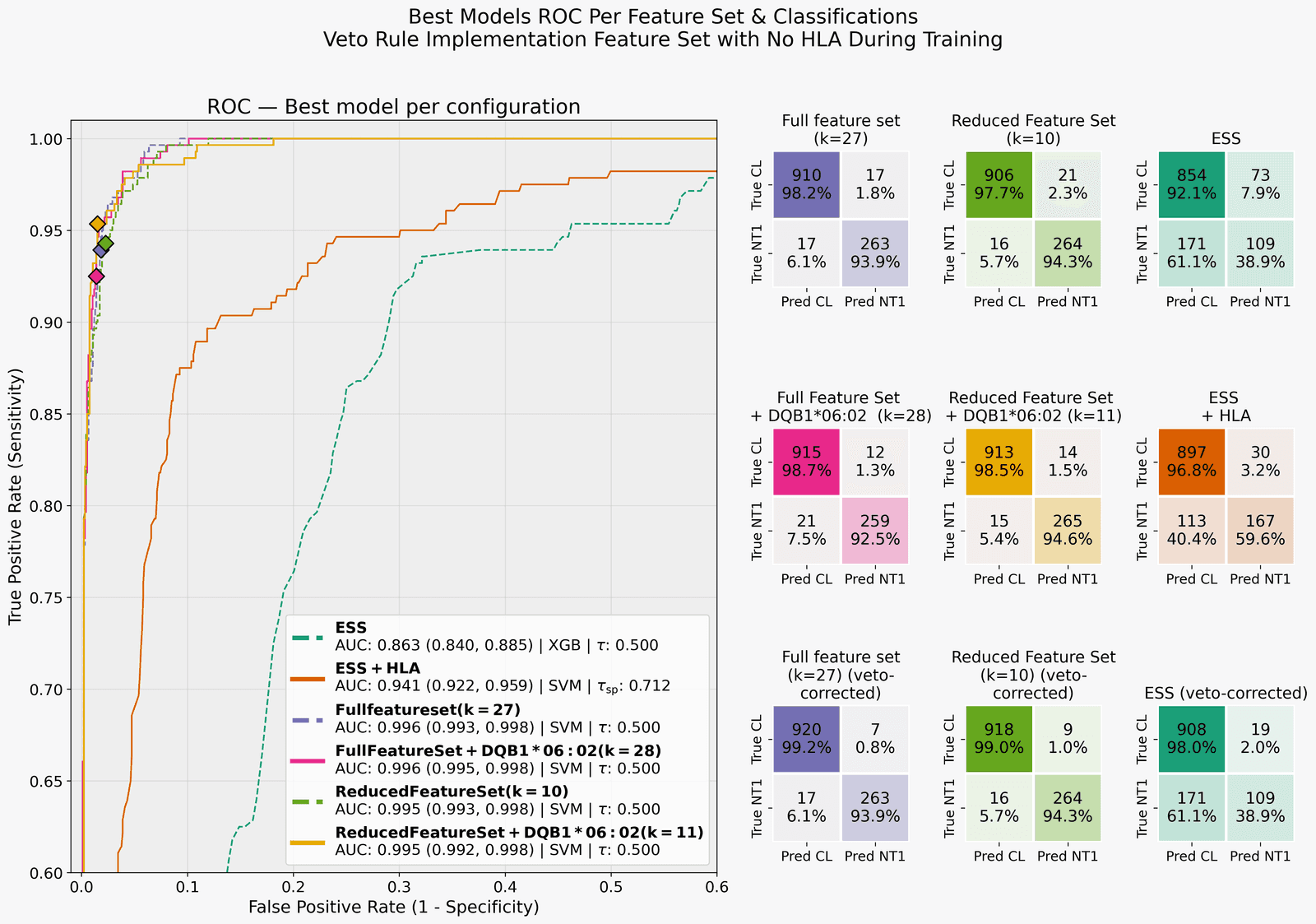
Sleep Medicine
Optimizing ML Classification of Narcolepsy Type 1 Using Cataplexy Questionnaire & HLA Biomarker
ML-based screening pipeline enables 94% sensitive, 98% specific NT1 detection from brief questionnaire + genetic marker
Read case study →
The studio
Giorgio Ricciardiello
Biomedical Engineer & AI Scientist · New York, USA
I build multimodal AI and signal-processing systems for neural, wearable, and clinical data — across cohorts exceeding 2 million patients. Currently at Mount Sinai; previously the Mignot Laboratory at Stanford.
- UniGe
- DTU
- Stanford
- Mount Sinai
Got messy clinical data? Let's make it do something.
A 20-minute intro call — no slides, just your data and what it could become.